Insights · Labour Market
What Happened to the European Job Market? LinkedIn Hiring Trends in 2026
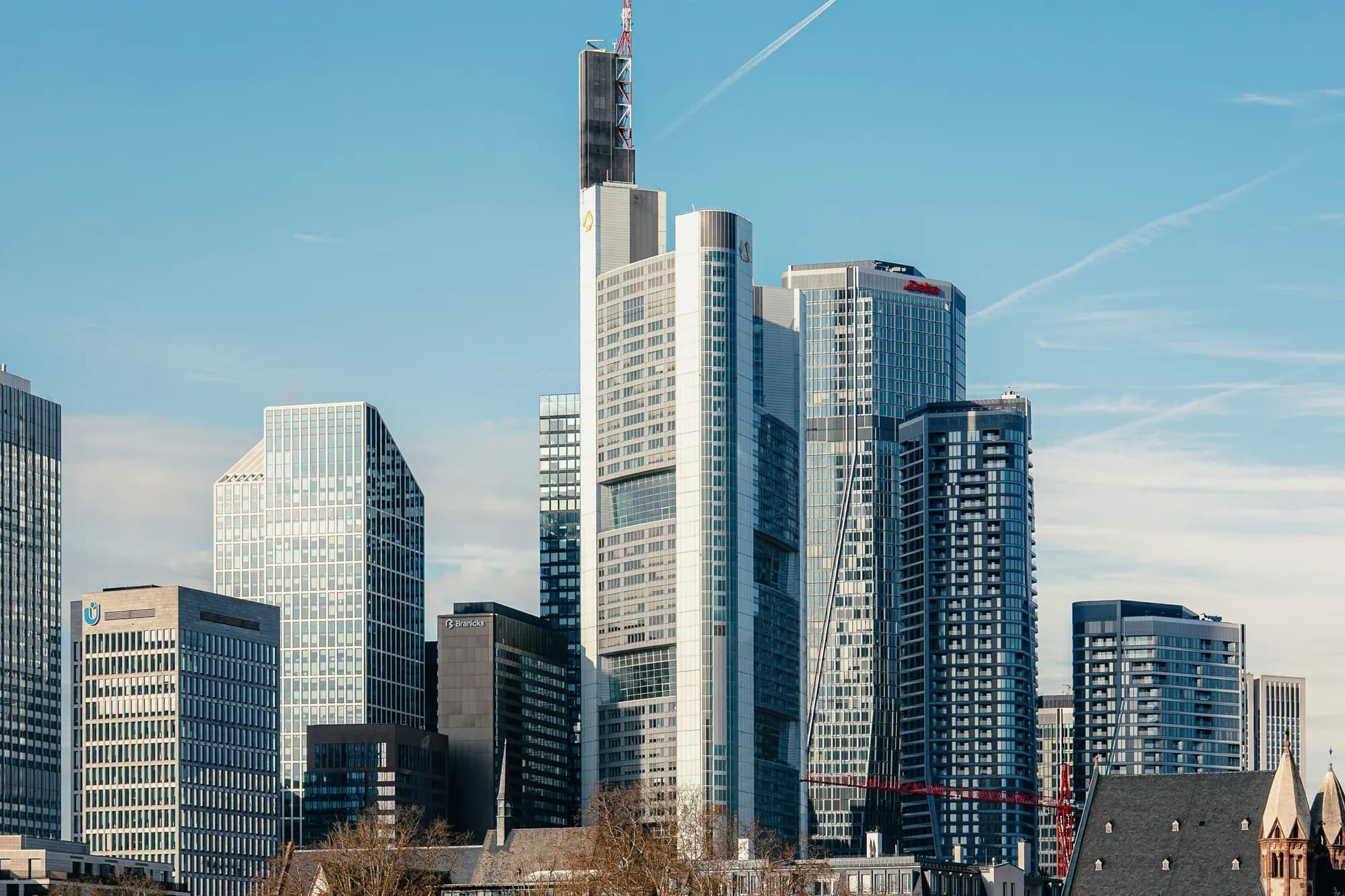
If you are looking for a job in Europe and receiving fewer replies than a few years ago, there may be a good reason.
LinkedIn's June 2026 research shows that hiring in Europe remains well below its 2019 level.
Are European companies hiring less?
| Market | Change since 2019 | Annual change |
|---|---|---|
| European Union | −26% | −15% |
| United Kingdom | −24% | −10% |
The slowdown affects both junior and experienced professionals. LinkedIn points to economic conditions and business uncertainty rather than AI as the main reasons for weaker hiring.
These figures measure hiring activity, not the total number of vacancies advertised on LinkedIn.
Software development vacancies have fallen sharply
To see what is happening to actual job advertisements, we looked at another major recruitment platform, Indeed.
On 24 November 2026, Indeed published its latest European labour market report.
Software development vacancies in three major European economies were at around half their early 2020 levels.
| Country | Change in software development job postings since February 2020 |
|---|---|
| Germany | −52% |
| France | −49% |
| Italy | −48% |
The overall number of vacancies on Indeed in the euro area was also 10.6% lower than a year earlier.
AI skills are no longer just for IT professionals
LinkedIn's October 2026 research points to a different trend.
The share of job advertisements asking for AI literacy skills increased by around 65% over the previous year.
Employers are looking for these skills in marketing, design, project management and other non-technical professions as well.
In 2025, more than 90% of AI roles were filled by people with at least a bachelor's degree.
Is there a better time of year to look for a job?
LinkedIn's research on seasonal hiring patterns shows that the busiest months differ between countries.
| Market | Typical periods of stronger job posting activity |
|---|---|
| France | March |
| Italy | March |
| United Arab Emirates | March |
| United Kingdom | Spring and early autumn |
| Sweden | Spring and early autumn |
Across many markets, job posting activity falls during August and December.
Candidates, meanwhile, tend to be most active between January and May.
This means that the busiest period for job seekers does not always match the busiest period for employers.
Sources
- LinkedIn: The EU and UK Labour Markets, June 2026
- LinkedIn: Where opportunity is emerging as work changes, October 2026
- LinkedIn Pulse: Workforce reports and labour market trends
- Indeed Hiring Lab: European Labour Market Snapshot, November 2026
This article is an independent analysis by Alpitora Insights. Alpitora is not affiliated with LinkedIn or Indeed. Hiring activity and job posting figures are different indicators and should not be compared directly. Platform data does not represent every employer or vacancy in the labour market.